Minimalist vs. Maximalist Branding
The Creative Dichotomy: Restraint vs. Expression
In modern visual branding, two distinct philosophies have captured the imagination of designers and entrepreneurs alike: minimalism and maximalism. One celebrates the timeless elegance of restraint, whitespace, and intentional typography. The other thrives on bold sensory immersion, rich palettes, layered textures, and unrestrained personality.
Neither approach is inherently superior; rather, each speaks to different emotional instincts, market segments, and audience expectations. Choosing between them—or synthesizing elements of both—is one of the most transformative strategic decisions your brand will ever make.
The Power of Minimalist Branding
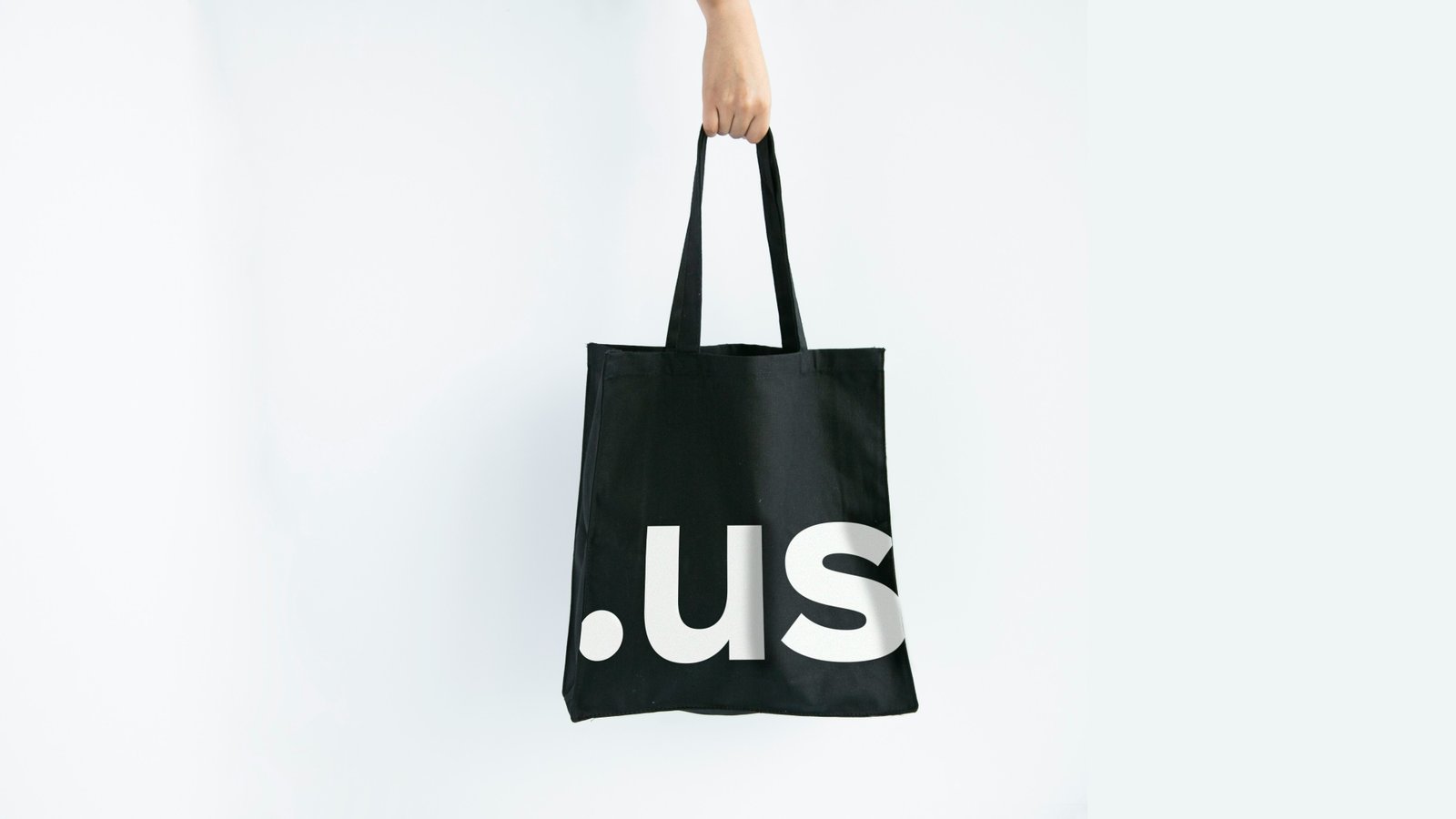
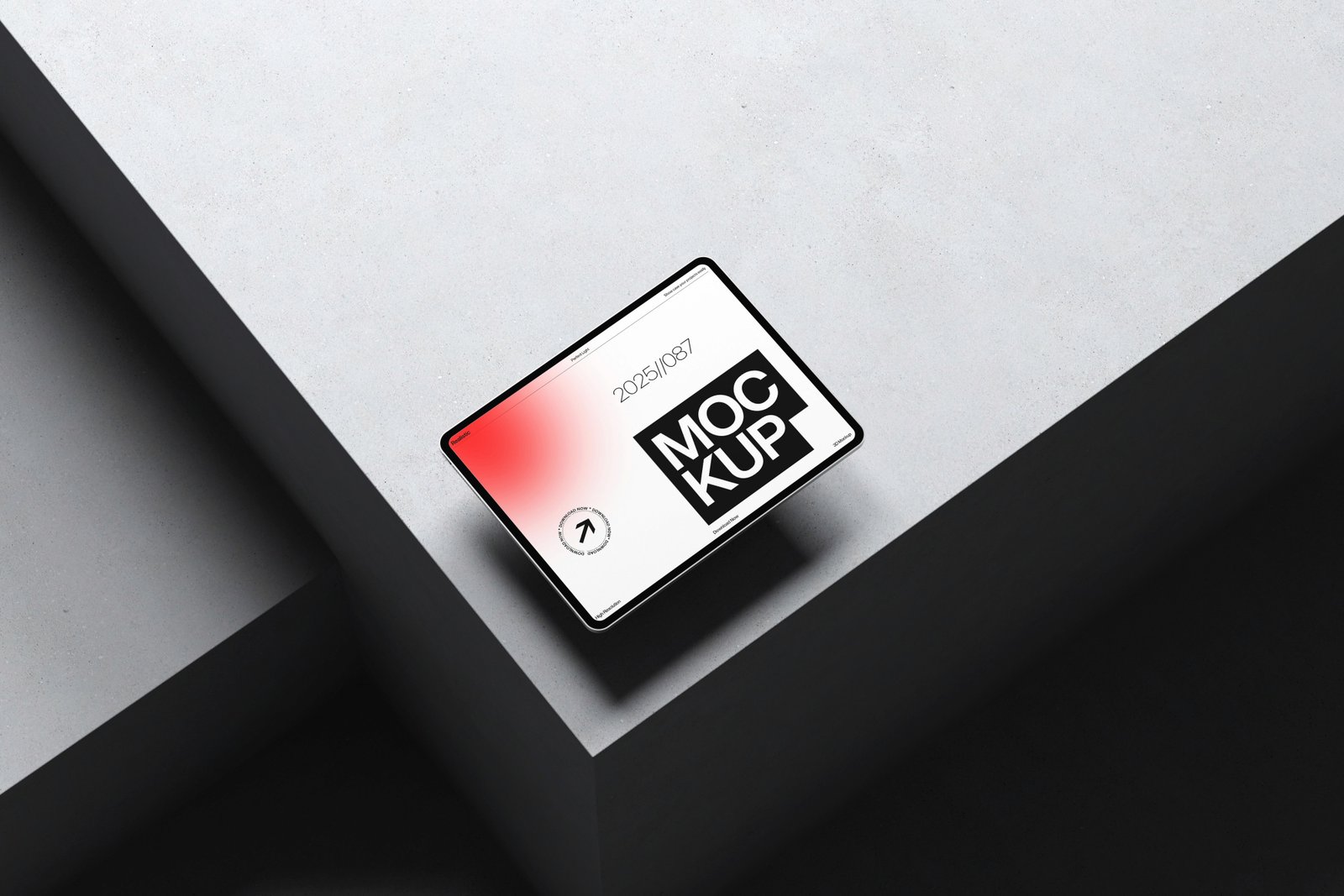
Minimalism is rooted in reduction—stripping away extraneous noise until only the core essence remains. In a hyper-connected world cluttered with notifications and visual overload, minimalism delivers a breath of fresh air. It communicates confidence, precision, and modern sophistication.
Brands that adopt a minimalist visual language typically rely on disciplined grid systems, stark typographic contrasts, carefully curated monochrome or muted color palettes, and generous negative space. By saying less, every detail that remains speaks with greater authority.
The Rise of Intentional Maximalism
On the opposite end of the spectrum, maximalism embraces the philosophy that "more is impactful." Rather than blending into the sea of clean, sterile sans-serif interfaces, maximalist branding celebrates vibrancy, nostalgic typography, tactile textures, and intricate illustrative details.
Maximalism is especially potent for lifestyle, entertainment, food & beverage, and rebellious creator brands. When executed thoughtfully, maximalism does not create chaos—it creates unforgettable character and deep emotional resonance.
How Design Systems Anchor Both Philosophies
Whether your visual compass points toward the quiet confidence of minimalism or the lively energy of maximalism, long-term brand success depends on structure. A robust design system bridges strategy and day-to-day execution.
Documenting typography scales, color hierarchies, packaging grids, and digital interaction rules ensures that every team member, marketer, and designer presents a united visual front across packaging, social media, print collateral, and web experiences.
Final Thoughts: Defining Direction with Pyxis
At Pyxis Media, we believe branding should never be about blindly following design trends. True differentiation happens when you look inward at your purpose, understand your audience, and courageously define a visual direction that is authentically yours.